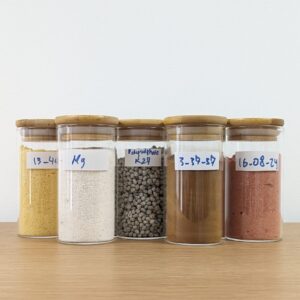
NPK fertilizers, containing nitrogen (N), phosphorus (P), and potassium (K), are essential tools in modern agriculture. They provide balanced nutrition that promotes optimal plant growth and enhances crop yields. Here’s how NPK fertilizers can significantly increase crop productivity:
1. Balanced Nutrient Supply
Comprehensive Nutrition
NPK fertilizers offer a balanced supply of essential nutrients. Nitrogen promotes leafy growth, phosphorus supports root and flower development, and potassium enhances overall plant health. This comprehensive nutrition ensures that plants receive all necessary nutrients for optimal growth.
Customizable Formulations
Available in various formulations, NPK fertilizers can be tailored to specific crop needs and soil conditions, providing the exact nutrient balance required at different growth stages.
2. Improved Soil Health
Enhanced Soil Fertility
Regular application of NPK fertilizers replenishes essential nutrients in the soil, improving its fertility. This is crucial for maintaining productive soil, especially in intensive farming systems where nutrient depletion is common.
Prevention of Nutrient Deficiencies
By supplying all three essential macronutrients, NPK fertilizers prevent nutrient deficiencies that can limit plant growth and reduce yields.
3. Enhanced Plant Growth and Development
Optimal Growth Conditions
Nitrogen boosts vegetative growth, phosphorus ensures strong root systems, and potassium promotes resilience against diseases and environmental stress. Together, these nutrients create optimal conditions for robust plant growth.
Increased Photosynthesis
Potassium regulates stomatal opening, facilitating better gas exchange and improving photosynthesis efficiency. Enhanced photosynthesis translates to more energy for growth and yield production.
4. Increased Crop Yields
Higher Productivity
Balanced and adequate nutrition from NPK fertilizers leads to healthier plants that can produce more fruits, grains, or vegetables. This results in higher crop yields and better-quality produce.
Improved Crop Quality
Adequate potassium levels, for instance, enhance the size, flavor, and color of fruits and vegetables, contributing to higher market value and consumer preference.
5. Efficient Nutrient Uptake
Enhanced Root Development
Phosphorus in NPK fertilizers promotes strong root development, ensuring efficient nutrient and water uptake from the soil. Well-developed roots are crucial for sustaining high yields, especially in nutrient-poor soils.
Better Nutrient Utilization
Balanced NPK ratios ensure that plants utilize nutrients efficiently, reducing wastage and improving overall nutrient use efficiency.
Conclusion
NPK fertilizers play a vital role in modern agriculture by providing balanced nutrition, enhancing soil health, promoting optimal plant growth, and ultimately increasing crop yields. Their ability to offer comprehensive and customizable nutrient solutions makes them indispensable for farmers seeking to boost productivity and achieve sustainable agricultural practices.